

Riverbank Prayer Points and Information
“I lift up my eyes to the hills. From where does my help come? My help comes from the Lord, who made heaven and earth.” Psalms 121:1-2
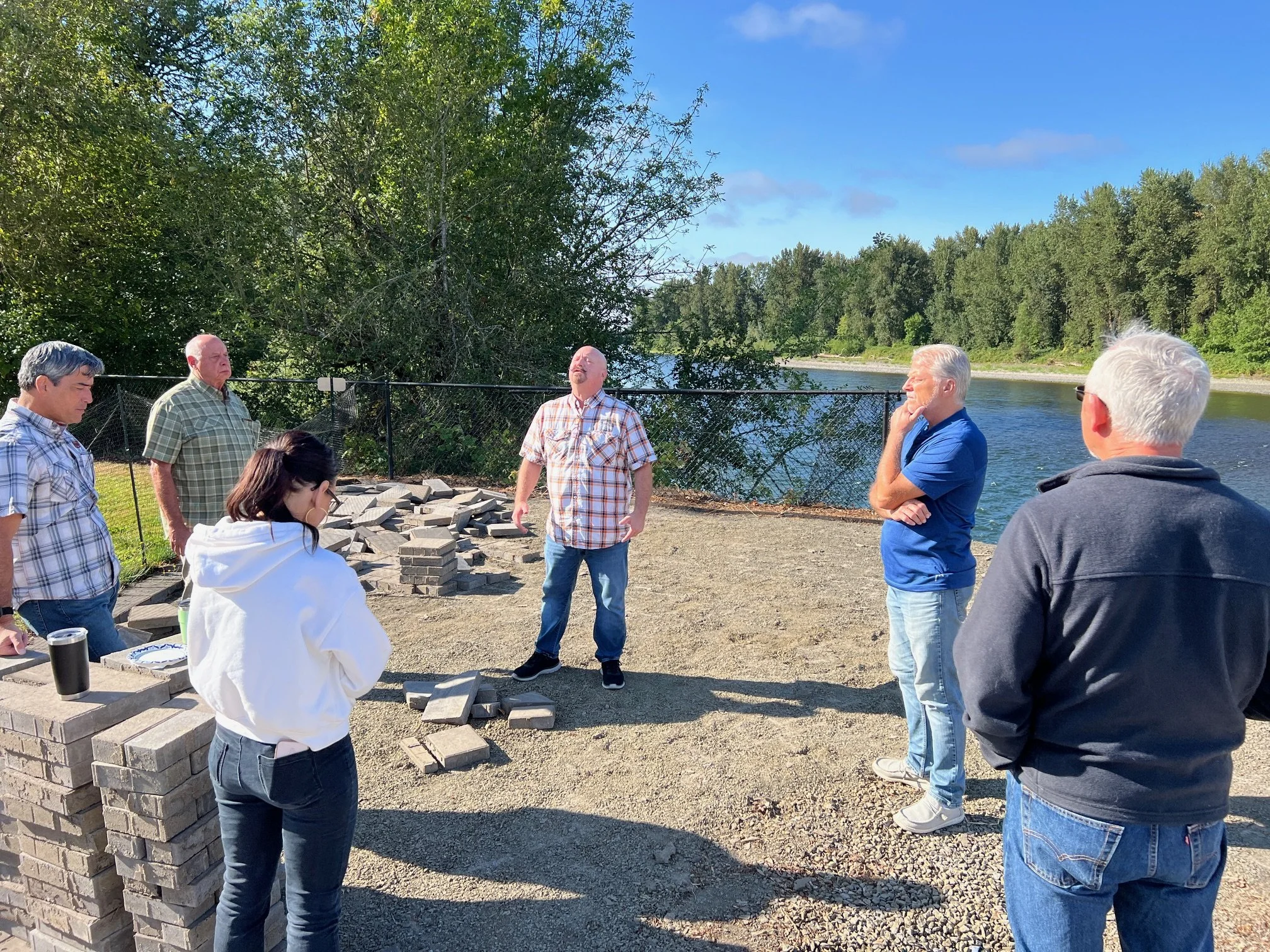
PRAYER POINTS FOR THE RIVERBANK PROJECT
1. Wisdom and Clarity
- Ask for wisdom in contingency planning and timing decisions.
2. Favor with Agencies and Approvals
- Ask for open doors and favor with agencies such as the Army Corps, DSL, DEQ, DLCD, and county officials for phase 2.
- Pray that necessary permits and approvals would be expedited for phase 2.
3. Provision and Funding
- Phase 1 - $2.25 Million needed
- Phase 2 - Lift up the financial need, especially the OWEB grant application and other funding opportunities.
4. Protection Over the Property and Workers
- Ask for God’s protection over the riverbank, workers, equipment and the structures that will be at risk during the construction.
- Pray against additional erosion and flooding.
5. Peace and Trust
- Above all, pray for peace—trusting that God is sovereign over every delay, challenge, and outcome.
- Ask for faith to believe that He will make a way, even when doors appear closed.
“Restore us, O God; let your face shine, that we may be saved!” Psalm 80:3

2010

2020
2023
2023
2024
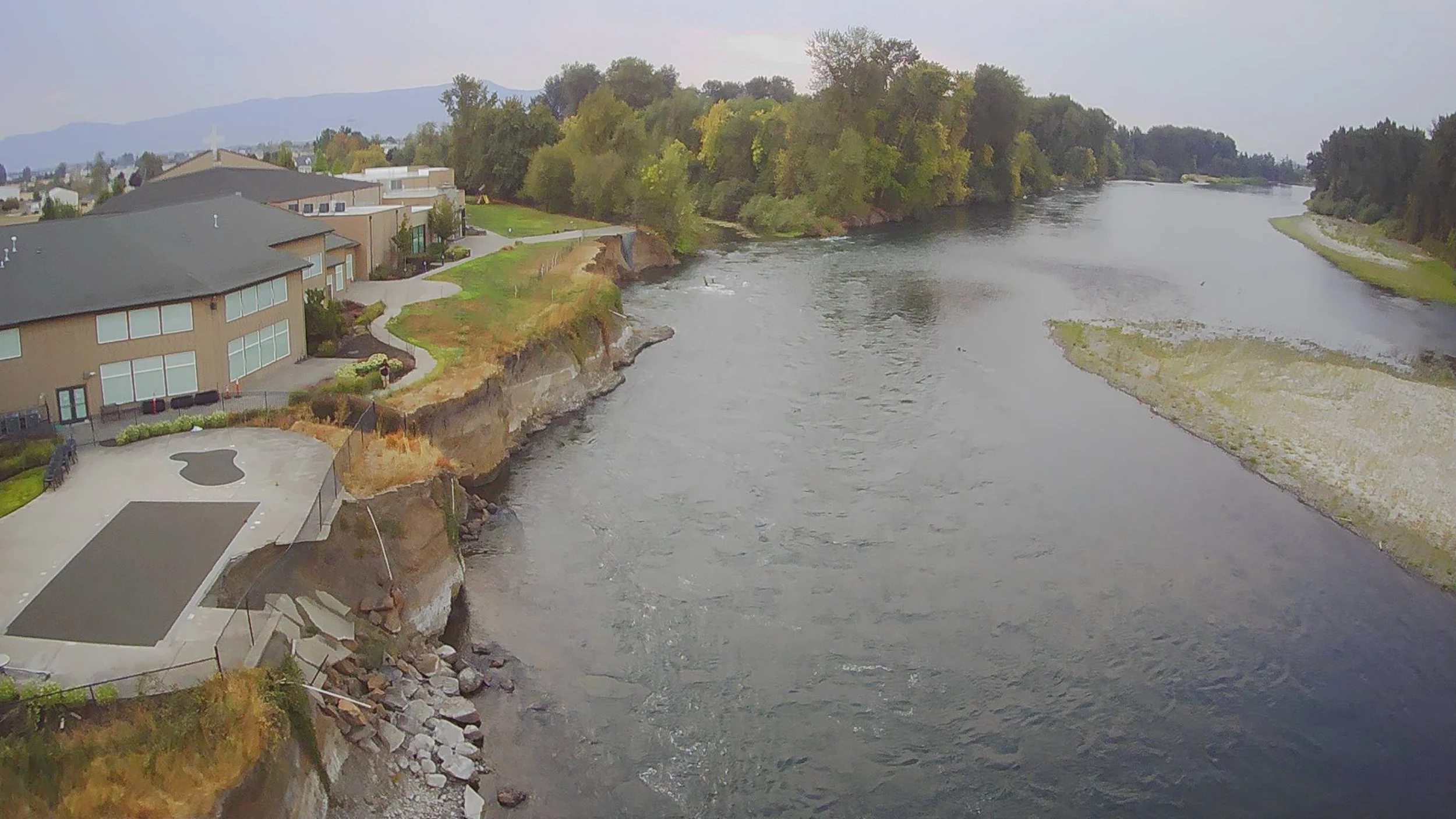
2025
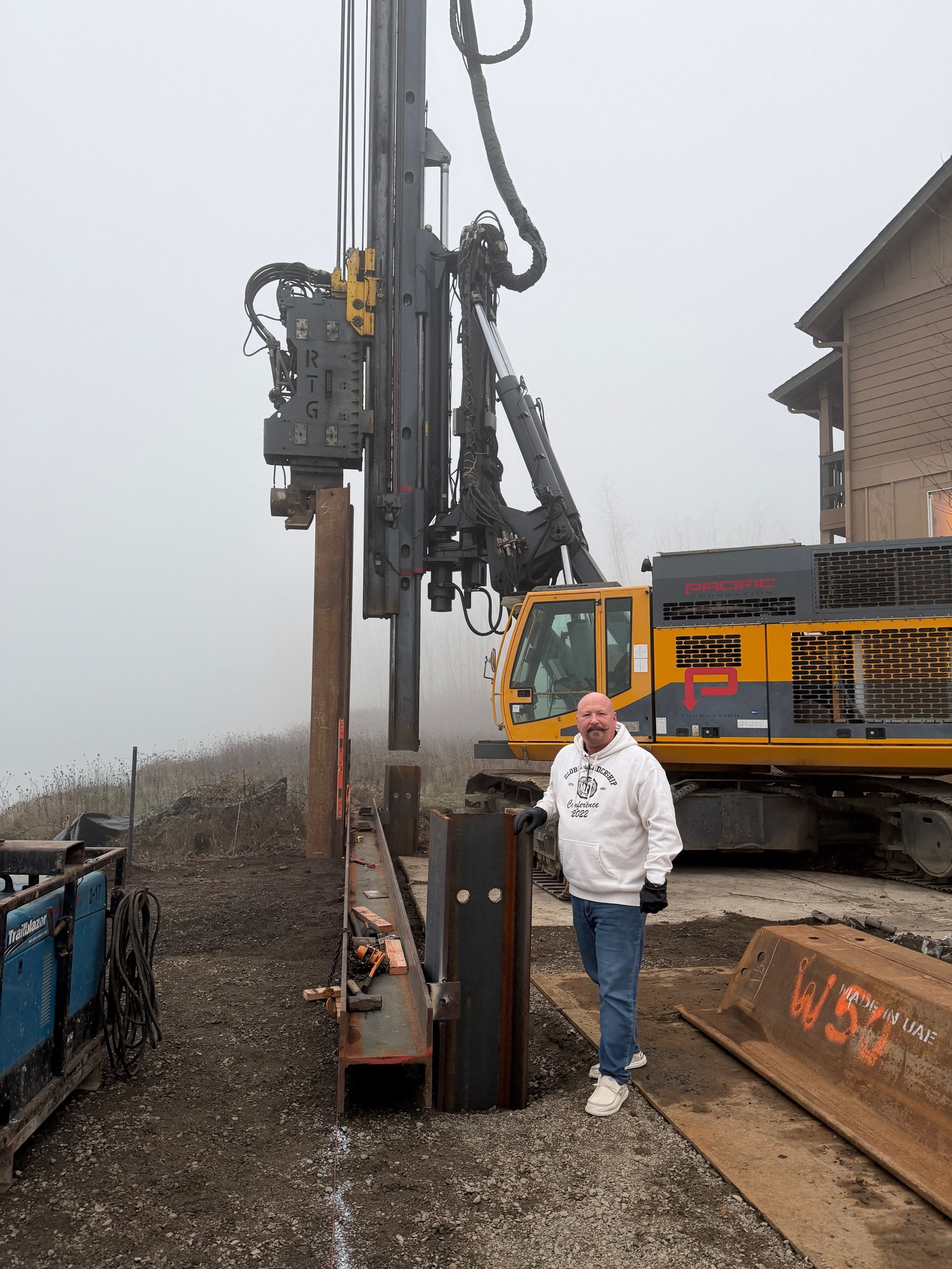
PROJECT PROGRESS
1-14-26
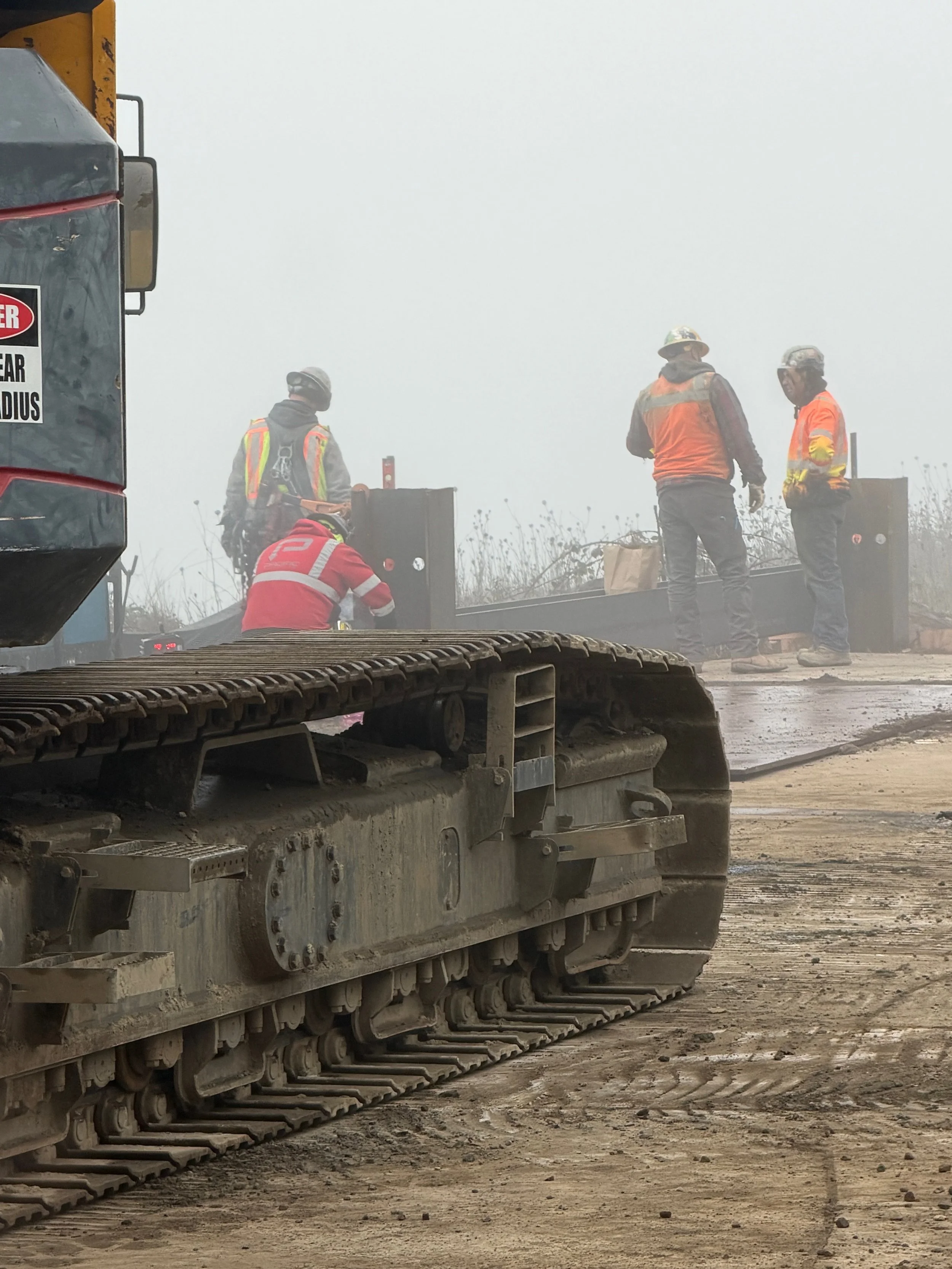
1-14-26
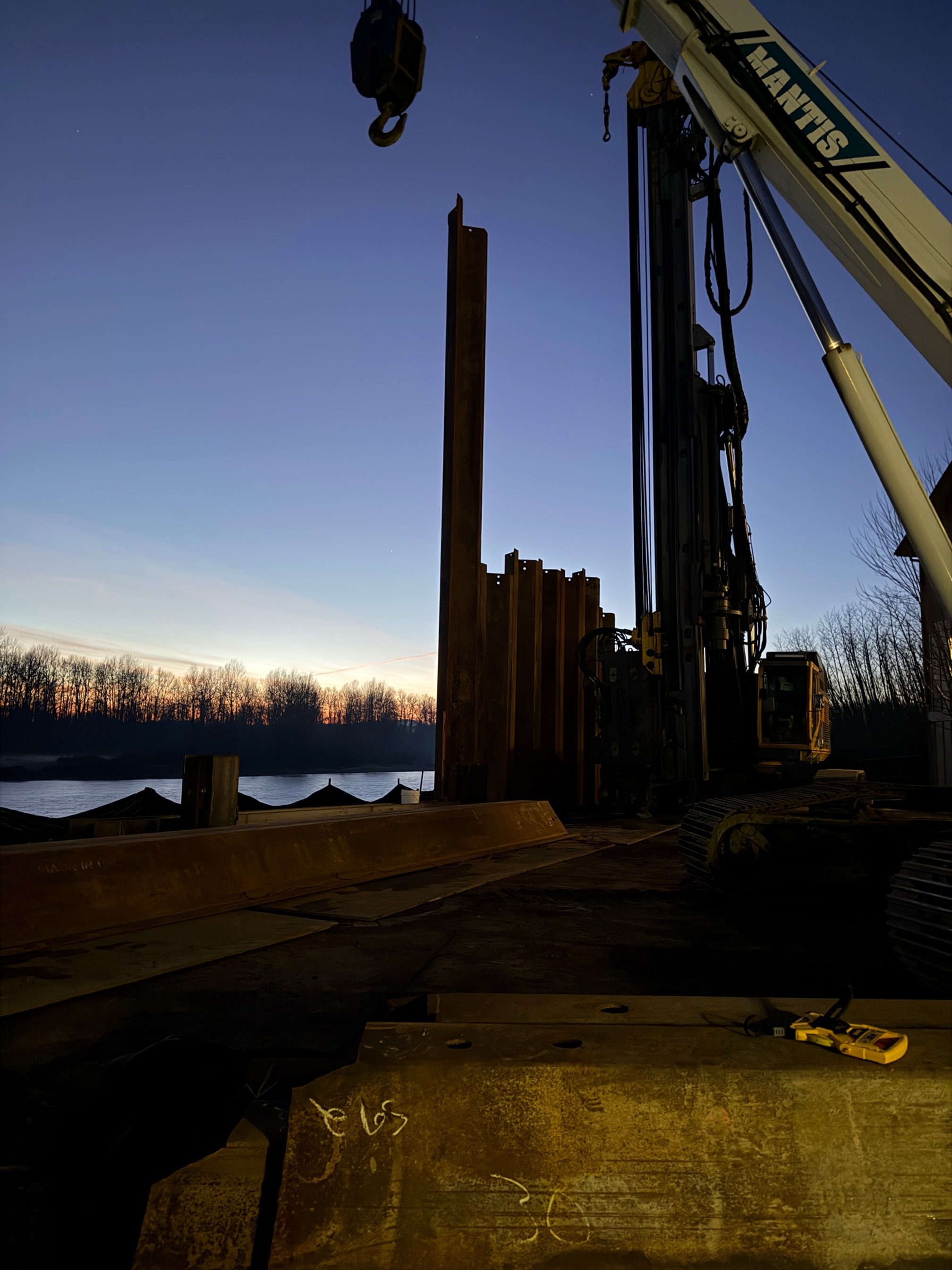
1-15-26
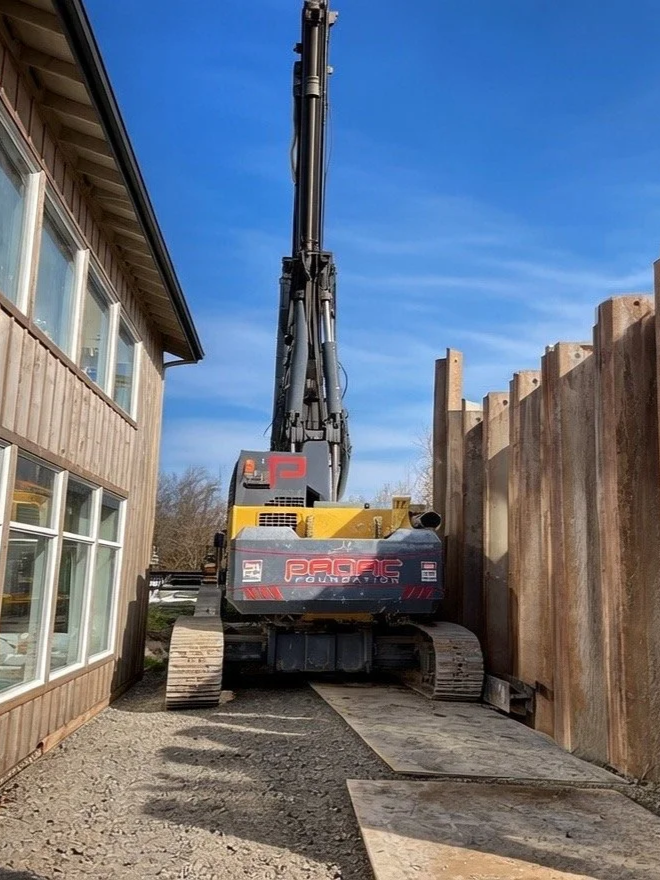
1-22-26
In the News
January 9 th , 2026
Greetings,
My name is Brad Neuschwander, lead pastor of Life Bible Church, and I am writing to share an urgent need that has placed our church property and the ministries that take place here at significant risk. Over the past two years, rapid riverbank erosion has accelerated beyond what could have been anticipated, threatening buildings, infrastructure, and the safety of our campus. After exhausting every available option and seeking counsel from engineers, agencies, and leaders at every level, we now stand at a critical moment where immediate action is required.
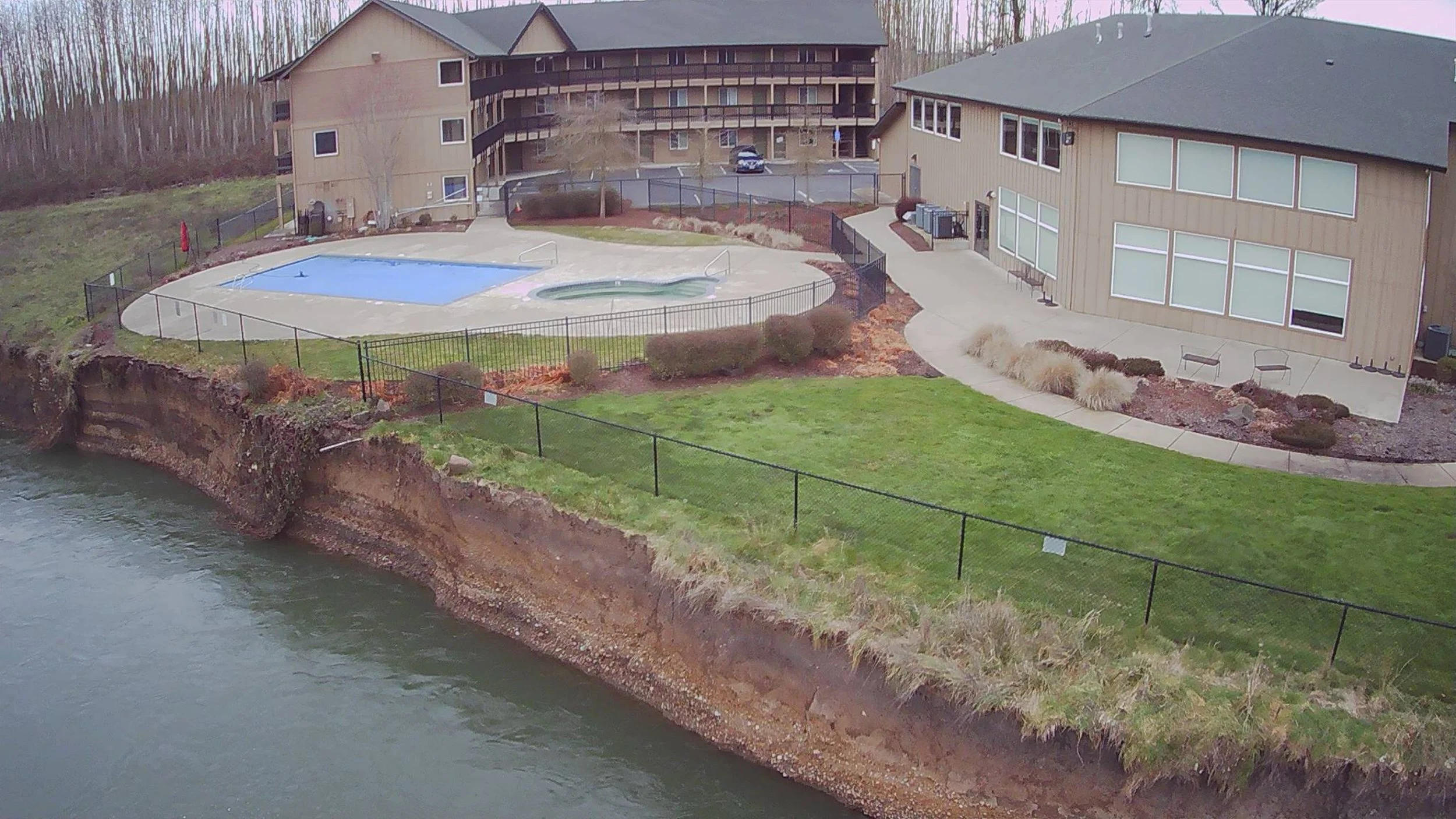
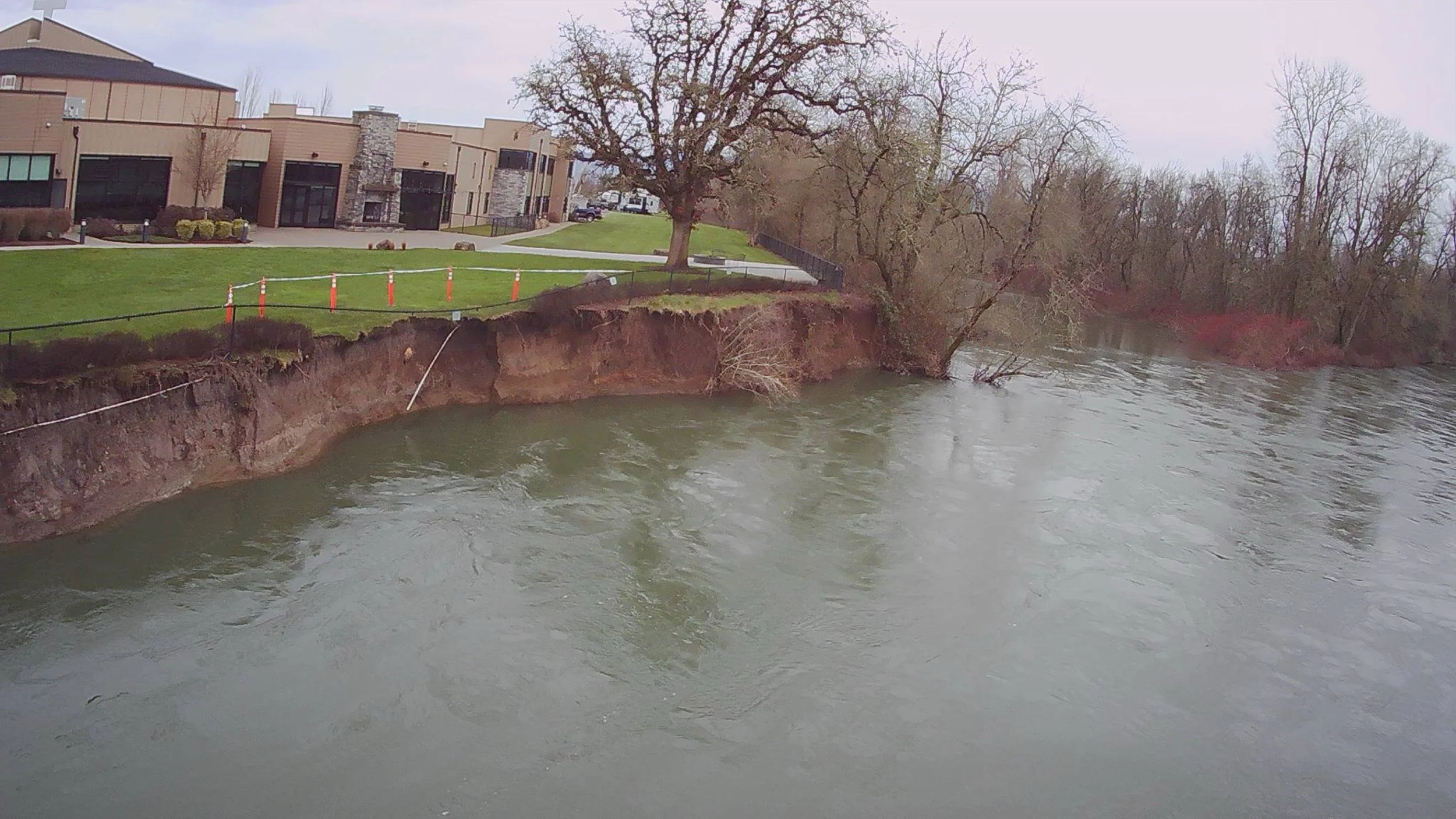
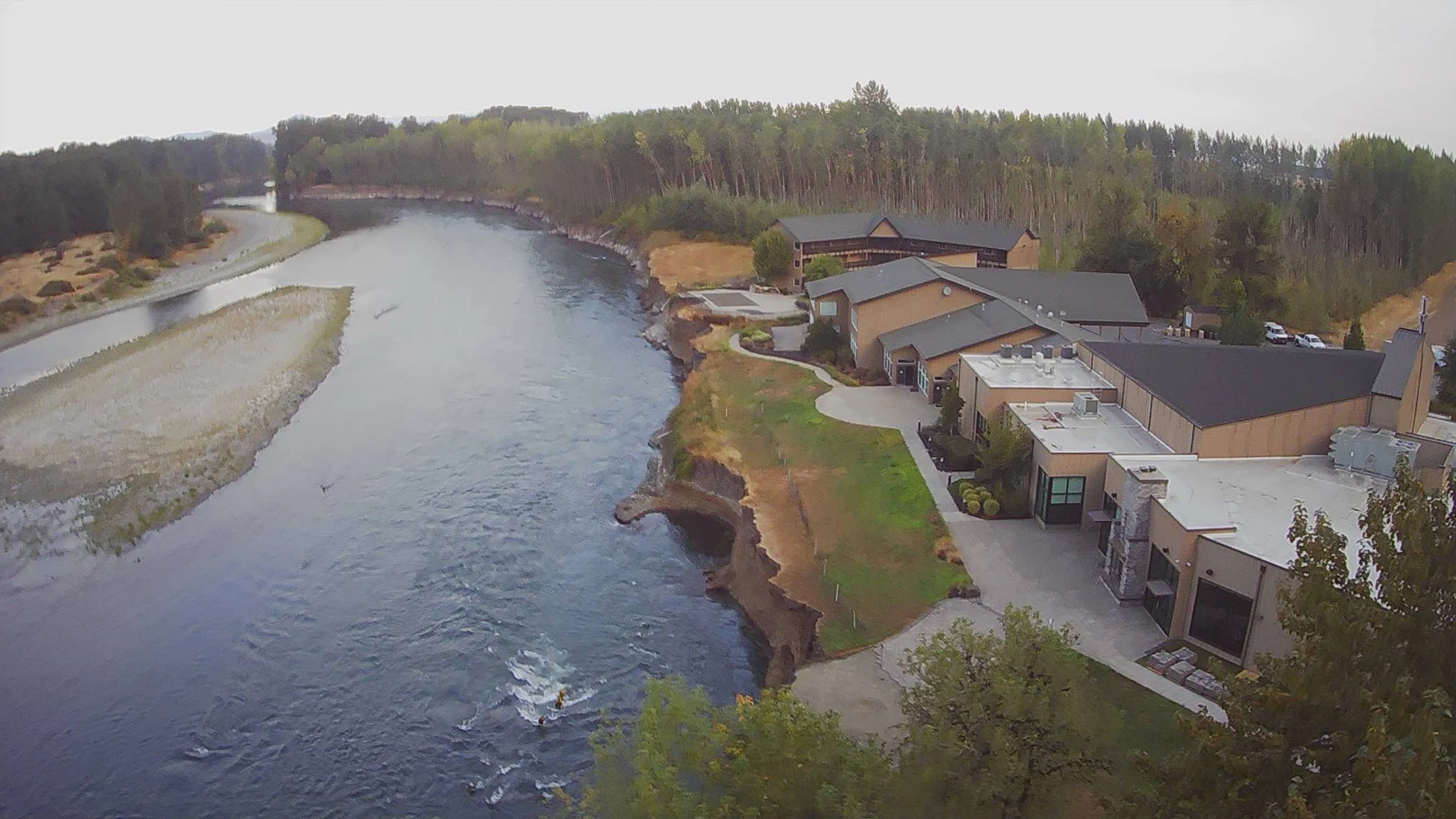
In the winter of 2023, we began to observe significant and accelerated erosion along our riverbank. It became clear that the river had redirected its flow and was now eroding portions of the bank that had never previously experienced instability.
In February 2024, we contacted the U.S. Army Corps of Engineers to pursue an emergency permit that would allow us to place temporary riprap to stabilize the bank while we pursued a permanent engineered solution. Initially, we were encouraged to submit the permit application as quickly as possible, though we were told it would require detailed quantities and material specifications. We immediately began working with a local excavator to develop cost estimates and material quantities.
Subsequent communication with the Army Corps of Engineers was far less encouraging. We were informed that an emergency permit would not be considered due to what they described as “deferred maintenance.” When we asked for clarification—specifically how a landowner could reasonably maintain a natural riverbank—we were given no substantive guidance. The only response provided was that the church should have known erosion would be an issue when the property was purchased. While we agreed that any riverfront property owner would reasonably anticipate erosion risk, no agency provided defined maintenance expectations or allowable preventative measures.
While researching alternatives, we learned of FEMA’s CAP-14 Emergency Streambank and Shoreline Protection Program, which could provide up to a 60% cost share but still required approval through the Army Corps of Engineers. We were advised the approval process could take one to two years. We applied, waited three months for a site visit, and then the reviewing agency went on furlough. Given the immediacy of the erosion, this option was not viable as a near-term solution, though we continue to await a response.
Recognizing the urgency, we engaged an engineering firm recommended for complex riverbank stabilization projects. In the fall of 2024, the engineer toured the site along with representatives from the Long Tom Watershed Council and the Calapooia Watershed Council. All parties expressed serious concern about the extent of bank loss. The engineering firm was hesitant to proceed due to the project’s complexity, and several other firms we contacted expressed similar reservations.
We then consulted a highly recommended land-use attorney. He advised that pursuing legal action against the Army Corps of Engineers would likely be unsuccessful and that establishing liability—particularly related to upstream dams—would be extremely difficult.
After multiple meetings, the engineering firm advised against riprap as a solution. They cited both limited long-term effectiveness and prohibitive costs—estimated at over $1 million—with a high likelihood that the material would eventually be washed downstream. By this point, we were approaching another winter season. The river had already undermined and removed all concrete decking surrounding the swimming pool that came with the property when we bought it, and we were advised that we could be held liable if the pool were to float downstream. Removing the pool entirely was not recommended, as it would further destabilize the surrounding soil. After consulting with contractors, we elected to fill the pool with sand and rock at a cost of $12,000.
During the winter of 2024, erosion accelerated significantly. We were forced to relocate our fence three times and lost an additional 15 feet of riverbank. Given seasonal constraints, there were no immediate mitigation options available, and we could only watch as large sections of the bank collapsed into the river.
In spring 2025, a second engineering firm toured the site with watershed representatives. The conclusions were consistent with earlier assessments: the erosion was severe, the project was highly complex, and riprap was not a viable solution. Once again, we were facing the prospect of another winter without protection.
At this stage, we began escalating the issue with the local government. Around the same time, we learned that one engineering firm believed they may be able to develop a potential solution and were willing to proceed. We received strong support from State Representatives WillTucker and David Loveall, both of whom worked diligently to help navigate regulatory challenges—particularly with the Army Corps of Engineers.
Our engineers completed detailed engineered drawings, an initial geomorphic assessment, a phasing evaluation, and a conceptual restoration plan at a cost of $38,000. These were completed just in time for the Kaizen meeting.
At the meeting, Phase 1 was presented: seven large rock weirs extending approximately 150 feet into the river. Due to river depth and velocity, each weir would require approximately eight dump truck loads of rock. Even then, full stabilization could not be guaranteed. Estimated cost: $8–10 million.
All agencies, except the Army Corps of Engineers, indicated they would likely approve Phase 1. The Army Corps declined, stating a preference for bioengineered solutions and its general opposition to rock-based erosion control. Instead, they suggested exploring steel sheet piles to construct a wall that would not encroach into the river and therefore would not require a joint permit.
Our engineers promptly evaluated this option. The resulting estimate for a steel wall was $8–10 million again, not financially viable for the church. At this point, we were deeply discouraged and facing the possibility of entering yet another winter without protection. We began developing contingency plans in case structures become unsafe.
In November 2025, a member of our congregation, who is an engineer with TVP Engineering, approached us with an alternative solution he had successfully designed for a similar situation. After prayerful consideration, we believed this was an opportunity we were called to pursue. Our engineering team immediately engaged with the City of Harrisburg, which worked diligently to approve the necessary permits in just six weeks—a process that typically takes six months. We are profoundly grateful for their responsiveness.
After receiving multiple contractor bids and with TVP Engineering contributing by charging only 50 percent of the engineering fees, the total projected cost for the project is approximately $2.25 million. The elders and I believe we are being called to proceed in faith, even without full funding secured.
The proposed solution includes steel sheet piles extending approximately 500 feet in length and driven to a depth of 56 feet, installed 20 feet from the existing bank. The project requires approximately 500 sheets at an estimated cost of $4,500 per sheet. The estimated $2.25 million figure includes post-construction sidewalk repairs, fencing, or landscape restoration. Construction is projected to begin January 12, 2026, with completion anticipated by the first of April. We are praying that the ground remains stable throughout the installation and that no further structural damage occurs as this critical work progresses.
After faithfully investing more than $800,000 to secure material, cover engineering costs, and construct the infrastructure necessary to support the pile driver, we are now inviting partners to help ensure this critical project is completed without delay. If you feel called to join us in faith, we offer several giving tiers designed to match your level of impact:
Giving Tiers & Impact
Foundation Builders — $100,000+
Helps secure large sections of the steel wall
Provides critical momentum for project completion
Ideal for families, businesses, or legacy gifts
Cornerstone Partners — $50,000–$99,999
Funds major portions of materials and installation
Plays a key role in stabilizing the riverbank
Structural Supporters — $25,000–$49,999
Covers multiple steel sheet piles and installation costs
Direct, measurable impact on safety and protection
Sheet Pile Sponsors — $4,500
Sponsors one steel sheet pile
A tangible way to give toward a specific project need
River Defenders — $1,000–$3,999
Supports engineering, labor, and equipment
Strengthens the overall project foundation
Faithful Stewards — Up to $999
Every gift helps move the project forward
When combined, these gifts make a powerful difference
Monthly Commitments
Monthly giving over 6–12 months can make larger gifts possible
Example: $250/month for one year = $3,000
Beyond Financial Giving
Pray for safety, stability, and provision
Share the need with others who may be able to help
The Lord has been faithful throughout this process, and we know He will continue to be. He continues to provide directions, open doors, and make connections. We are hopeful that financial provision will not only come from our church body but also through others outside our body who feel compelled to partner with us.
Thank you for taking the time to consider this urgent and meaningful need. Even before a gift is given, we are deeply grateful for your prayerful consideration, your generosity of heart, and your willingness to stand with us in this critical moment. Your support, whether through prayer, advocacy, or financial partnership, will play a direct role in protecting this land, ensuring safety, and securing a future for ministry on this property. We are sincerely thankful for your partnership and for the faith and stewardship you demonstrate in helping us move forward. If you have any questions, please do not hesitate to call the church office 541-995-8282.
Sincerely,
Brad Neuschwander
Lead Pastor – Life Bible Church
Cari Malpass
Administrator – Life Bible Church
Nehemiah 2:18 And I told them of the hand of my God which had been good upon me, and also of the king’s words that he had spoken to me. So they said, “Let us rise up and build.” Then they set their hands to this good work. ESV